The Visibility Trap
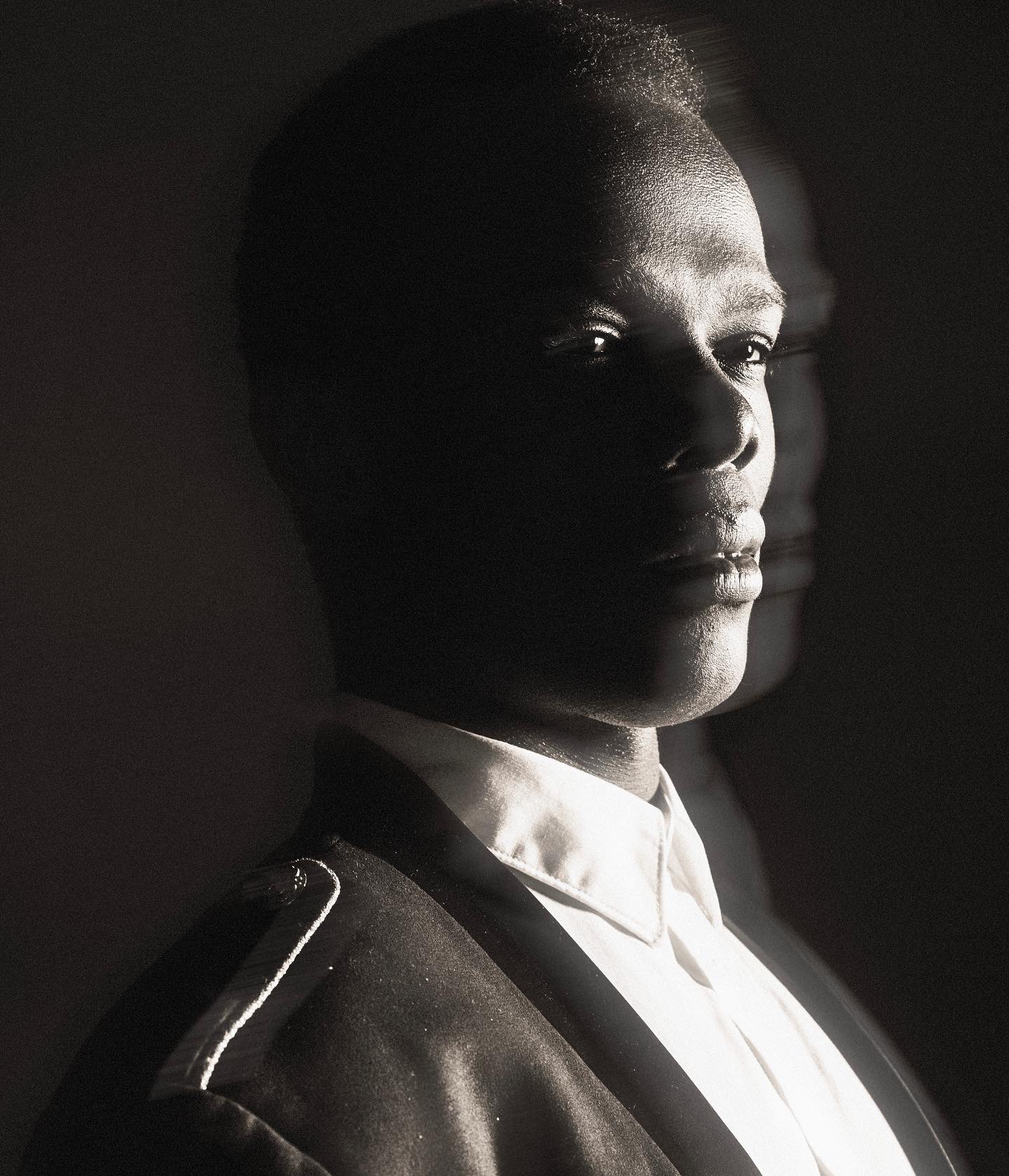

I was having a fascinating conversation the other day.
An aspiring actress who models and works as a waitress... the type whose far too busy for dating, sits across from me talking about a resentful casting director who never books her.
She's grateful for the opportunity to audition, each part presents a new puzzle, a new psychology to dive into, and a new archetype to embody. Screenplays are a portal to another dimension and the actor's process can feel mythic on some days, psychedelic on other days, and sometimes it just seems like everybody else on your feed is getting booked... except you.
Social media is a surreal highlight reel where people choose between presenting a glamorous idealized image of themselves, or a real raw genuine peak into their worldview, while others struggle to follow trends in the hopes of getting some visibility in the attention based economy.
Capitalism dictates that attention and desire are puppet-strings of currency in modern life.

Performative intimacy extends across industries from art, entertainment, sex work, commerce and beyond. Google searches of people's name abound, you see people pitch products to you in between films and tv shows where characters seduce each other in layered narratives.
What does this mean?
Market incentives motivate people to transform emotional vulnerability into visual spectacle.
The trap is what happens when the line between spectacle and vulnerability vanishes.
We see this in plots driven by interpersonal conflict, relationship drama or office politics.
We also see it in real life in the complex relationship between celebrity and paparazzi.
With the popularity of smartphones, any random fan could become paparazzi, so at any given moment the pictures of public figures are bought and sold at an alarming rate, celeb culture is a trillion dollar economy driven by attention as a form of currency, the muses then capture attention on a global scale as algorithms adjust their reach from moment to moment.

For people who have a desire explore the visionary side of the muse economy philosophy, I recommend making a habit of submitting pictures to fashion magazines, the more selective the magazine, the more respected performers you'll find who are willing to work with you.
But just because someone has access to a HD camera doesn't make them an artist.
Some are little more than human tripods, where even a gen Z teenager could do their job better since they're used to holding these cameras steady. That said, artists are not civilians, not in the typical sense, instead of aspiring to the structure of a 9 to 5, the goal of art is to reveal something felt inside your body for eternity, and with a story, you awaken this feeling inside the audience. This creative euphoria is a gift, but the gift isn't the talent for a specific art form. Anybody can learn music, fashion, or filmmaking with practice and with diligence a person can develop their skills in a combination of mediums, as a multi-disciplinary muse.
The artist's gift is the ability to perceive and interpret what other's can't see.
This doesn't mean the most successful artists are always the most gifted, but the visibility of success gives artists an amplified voice and platform. There are many ways to use your voice as an artist... you don't have to follow the trends like content creators... you can build a world more aligned with your vision and taste. You can explore realism and surrealism to mix genres and combine mediums in ways that express your artist statement. The artists who make an impact have a singular vision even if it's channeled through a variety of art forms, each connect to each other in a way that deepens the world-building experience for your audience.

However, it's worth mentioning here that there is a difference between making art for one's personal satisfaction vs reflecting the market incentives that surround them. Both motivations have their advantages and disadvantages so what works for one person, might not be as life-changing for another performer because of how personal the process of performance art is.
These motivations aren't always at odds with each-other, after all when a respected performer with a large fanbase feels satisfied by the message expressed in their most recent release, it can set off a chain-reaction in the fanbase which leads to cultural moment that leaves an emotional imprint on the zeitgeist and earns a spot in the pages of history... it comes back to the philosophy of desire as the puppet master of currency. Attention pulls the strings, and the question of who decides to invest in films pitched, or accept editorial submissions, is ultimately a subjective decision based on taste which is meant to vary due to the uniqueness of humanity.
Visibility is often treated as the prize for artists.

Some people become more free when more eyes are watching them, others feel inhibited by the attention and pivot to risk-averse behavior, but the imaginative questions explored in my series can help you figure out what kind of reactions a collaborator could have to virality.
That said, it's quite common in the fashion world today, to run into people who dress well but seem like empty vessels, because they don't have anything cool or interesting to say, this is what happens when people chase clout and follow trends before developing themselves as artists, discovering their unique message, or building a strong artist statement for their brand.
Part of why the gold version of the mirror room exists is for artists who value the kind of resources which encourage artist development. After all, the price of being seen is the resentment of the insecure, and some people do find themselves trapped by audience expectations, until they are guided away from the metaphysical prison of shame, to see their growing fame as an opportunity to live more intensely and explore wild, amazing ideas or possibilities related to the euphoria of art, the bliss of seduction, and the intrigue of mythology. The respected performer's path is more than a journey towards visibility...
It's a journey towards depth and shamelessness. So for the artists who are still figuring out their answers to questions like "what's your message?" or "what is your artist statement?"
Or "why did you make this?" These are the kinds of questions that come after visibility, so it's better if you have an interesting answer before the crowd starts asking you these questions.
The real challenge isn't becoming visible.
It's deciding who you'll be when people are finally looking.


Comments