5 Different Types of HOM Encounters
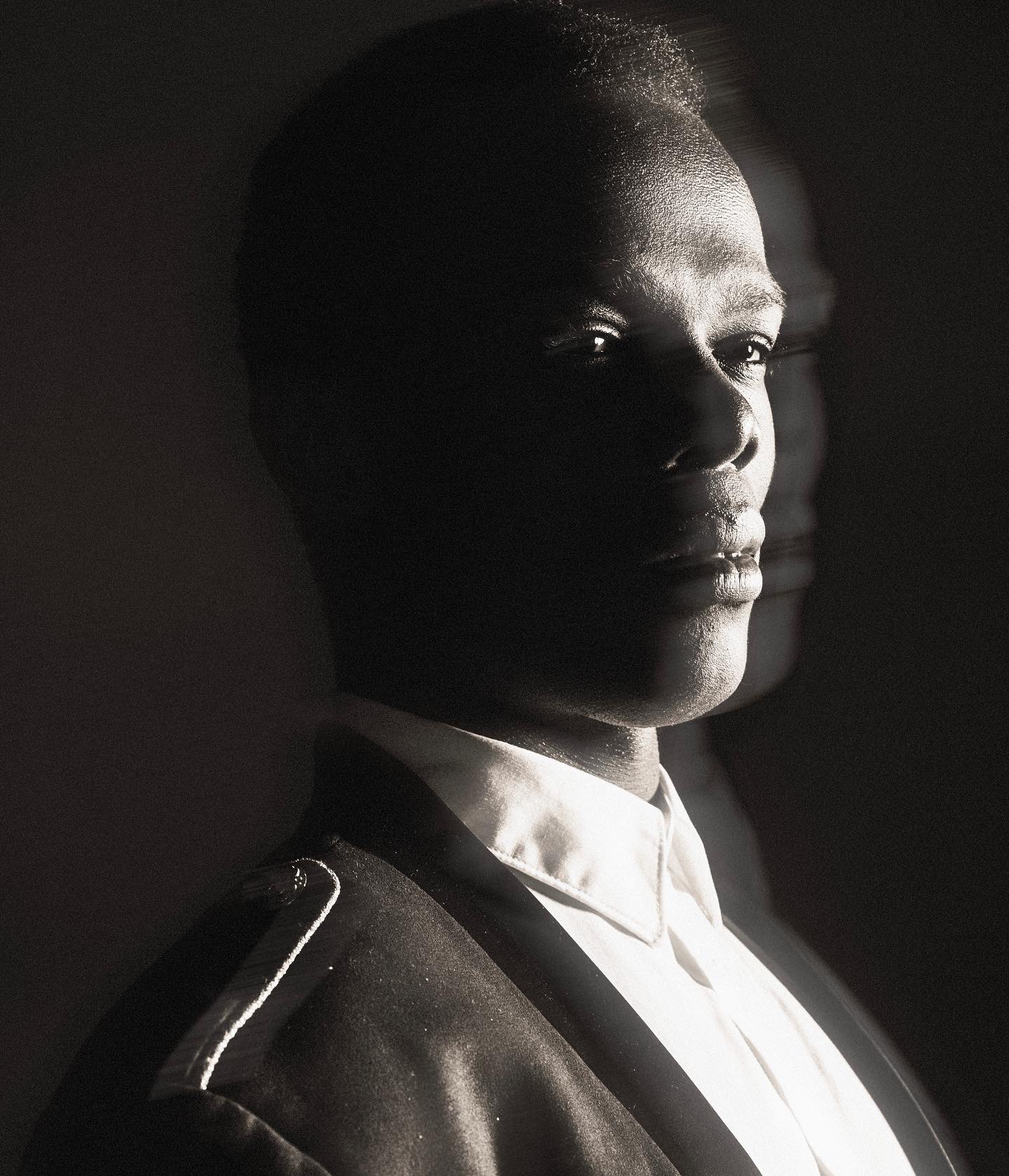

One of the questions that students, disciples and my cinos often ask me is how I decide which creatives to collaborate with. I've been using Instagram to meet up with artists since 2013.
Given the frank sexual themes explored in my art and emotional intensity of the journey experienced by various characters in my music, films, live portraits and fashion magazines, the question of finding the right person for a role isn’t as simple as some might think.
Most creative directors build casts around:
Beauty and aesthetic taste (the more attractive the better)
Budget (the more money saved the better)
Logistics and schedules (location, citizenship, time zones)
Social media visibility (the more IG followers the better)
Which could make sense for a commercial or content creation, but those usually aren’t the type of considerations I make when HOM is casting for a film, a music video, a fashion editorial or when building a team collaboration that blends multiple mediums.
In today’s journal post, I will describe ideal candidates and qualities that I look out for when interviewing professionals.
There are 5 types of people I encounter at House of Mirrors.
1. The Witness
2. The Visitor
3. The Collaborator
4. The Muse
5. The Co-creator
While there can be some overlap, in the sense that a person starts off as one type, then gradually the connection deepens, these categories will be discussed as if they are separate for the purpose of making this journal post easier to understand.

The Witness
There’s an ominous old saying,
“Behind every great fortune
…is an even greater crime.”
It connects to a more well-known saying,
“Every crime leaves a witness…”
I’m not concerned with whether you believe these statements, or subscribe to any superstitions, however for the sake of this journal post, it can be useful to familiarize ourselves with some superstitions to understand the mindsets that drive this type of person.
The witness is interested in the work on some level.
They observe the world from afar, watch film trailers, look for new Instagram posts.
They don’t enter the world in any capacity, but they are part of that audience who clicks when they see my face. The question of why is open to interpretation, everybody has their reasons for choosing the comforting voyeuristic pleasure of watching and drawing conclusions from afar but interesting people are usually too busy to spend too much time indulging fantasy without action. In the last reflection I asked if fantasizing about something was the same as desiring it. The answer will vary from person to person.
Sometimes a witness becomes more than that, but this fun decision to step closer and come towards the mirror room is very personal, ultimately, you decide for yourself.
Signs you might be a witness:
You follow the work closely.
You consume more than you give.
You feel connected to the mythology.
You have never entered the mirror room.

The Visitor
Four years ago, when I was writing the screenplay for what became Paul’s Trilogy… conceptually it began as a 3 ACT conceit that eventually became an 11-minute film.
Paul is a painter who mines his dreams for inspiration, he lives in a haunted house and is visited by Jessica, who was recently promoted and now runs the gallery Paul sells paintings at.
They had spoken once on the phone before she came to see paintings at his house.
The question of what is haunting Paul's house is a spoiler so you'll have to watch it to see.
The 1st and 3rd acts were written, directed and shot rather quickly by me because both parts were played by me. On the other hand, ACT 2 featured an actress I had cast to play Jessica, the art gallery exhibit organizer. This is an example of a visitor, someone who appears briefly, creates inspiration and leaves before the story is finished. Our Paul and Jessica scenes were filmed in one afternoon, which meant the total hours of filming fit into a single day.
Editing the director's cut of Paul’s Trilogy took longer than that.
A good chunk of my short film experiences involves same-day or same-night encounters with visitors as an actor, and writer-director. Sometimes the visitor was once a witness who saw me from afar, fantasized about working together in the future, and found themselves with the opportunity… days, weeks or months later. When people enter your world willingly, even logistical barriers such as hectic work schedules, different time-zones, or living far away from each other aren’t as important making art together. After all, art makes the heart smarter.

The Collaborator
Showing up repeatedly is what separates the collaborator from the previous two categories.
While some circles in inner-city Paris, and downtown Toronto are pretty exclusive and tight-knit so running into visitors and witnesses at various runway shows, networking events and after-parties is fairly common, the collaborator shows up repeatedly for the purpose of making art.
Collaborators include:
Models who pose for the cover of magazines
Actresses who are filmed on set for multiple days
Dancers who are expanding their visual portfolio
Photographers who are looking for new models to shoot
Cinematographers who are looking for new actors to film
Designers who are looking for new models for their shows
Because the goal is building something tangible over the course of multiple days.
Each of the above examples are activities that could be completed in a single day; however, the collaborator is a creative involved in my projects that posses a larger scope.
To put it simply, the collaborator understands the value of commitment when making art.
Audiences can tell when an artist is mentally checked-out and when they're paying attention.
Commitment is the diligent decision to be present for as long as it takes to get it right on set.

The Muse
The muse is unique because the prime quality here is the ability to inspire transformation.
Muses are more than amusement, pun intended because muses are contemplated, coached, cherished, and sometimes even loved… however muses may or may not stay as long as a collaborator. A visitor can become a muse for a night and never be seen again.
The inspiration survives regardless, like a woman you meet one night at a hotel bar, who inspires a song. The liminal energy of being in-between worlds, finding connection in the now.
There's just something about the vibe in her eyes that makes you want to sing.
You can dedicate this song to her memory.
Even if you don’t even know her name, the feelings, the chemistry, or ecstasy can become a trance for your audience. Love at first sight is a transformative experience that many people wouldn’t even know exists if it wasn’t for the artists who felt it and shared this in their music.
Music is just one of many examples... the muse economy exists in multiple art forms.

The Co-Creator
Now this is a rare type of person.
The co-creator has the chops to expand the mythology itself. As a world-building artist it’s natural to grow and switch things up during different eras.
This quality makes them the most interesting type of person to House of Mirrors.
However, these kinds of expansive changes usually happen in one of two ways (again this can overlap but let’s treat them as separate for the purpose of definition):
1. Self-directed Era
2. Co-created Era
Both examples involve eras where an artist changes their work permanently instead of doing a throwback to earlier eras. Essentially their audience witness the emergence of a new self.
In a self-directed era, an artist might explore a new medium, change genres suddenly, adopt a different moniker, and even though switching things up aesthetically can be a self-directed era it is key to note that some artists change their look, while still giving you the same work.

You can look at discographies and filmographies online, where everything from the art visuals to the sound, from the style to the substance, from the subtext to the core message is different.
It's like there's a before and after in the work.
Plenty of people notice this, even twitter notices it.
Co-created eras are when an artist finds a muse or mentor who stays while also feeling collaborative enough to take both of their careers in a new direction.
Regardless of whether the era contains more inspiration from the artist or the muse, what is fascinating about this type of person, is they become both artist and muse, since they are inspired by you and you are inspired by them. There is a feeling like anything is possible.

This is the kind of connection many dream of, I’ve been blessed to experience it in each decade of my life thus far. Muses come and go but a muse who becomes a co-creator is never forgotten, and for good reason.... because even a six-week connection can create work that lives on forever. Creating art transcends time, so finding someone that you can see yourself working ten- or twelve-hour days together is a decision I handle with careful consideration.
For the readers who've signed up for the gold version of our mirror room subscription, there will be a follow up to this post you can read that describes another important HOM category.
Thank you for entering the Mirror Room.


reading ts was mindblowing at first
reading ts again after HOM Rendezvous... life changing af