A Daring Descent
Updated: Jul 11

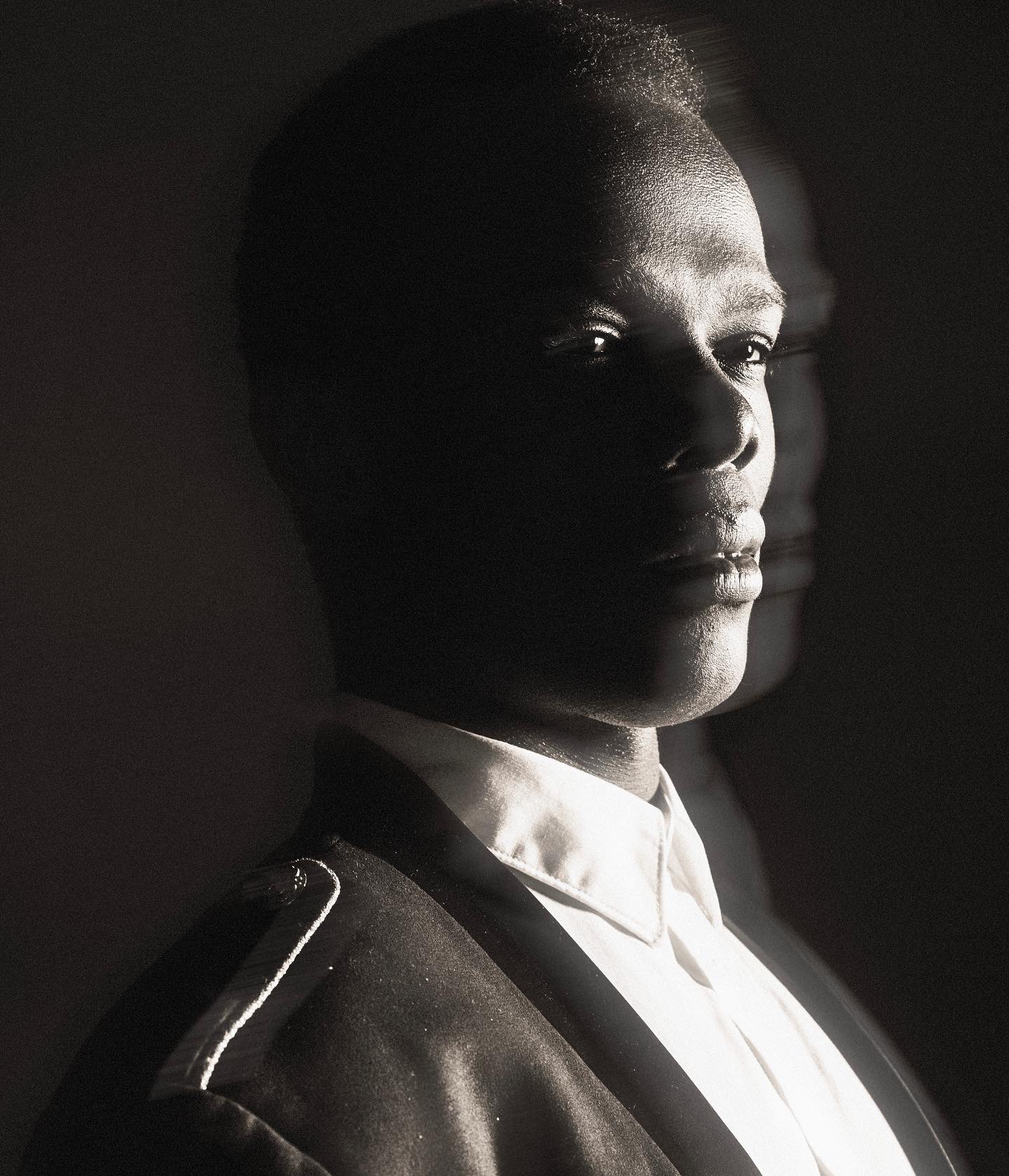
Shadows in Paradise,
...is an 8-track, 24-minute psychedelic descent through the inverse of the traditional chakra system and Dr. Timothy Leary’s Eight-Circuit Model of Consciousness, refined by Antero Alli.
This album is the first sonic manifesto of House of Mirrors.
One listen, you're hurtling through space, dodging asteroids and debris. Spiraling at impressive speeds towards Earth to meet the muses.
Another listen and you're an infant, born again, in the womb-like wordless wonder of newborn consciousness, eventually finding distinct sounds, then the self emerges.
On the 3rd listen, well... it just feels like another day in the life of Baccino.
Waking up from a cosmic dream.
Curious to meet the day's adventures.
By the time you hear the lyric: "Do you know the time?"
...you're already immersed in the dynamic, floating connection... between the 8th and 7th chakras, their powerful circuits flicker as pulsating sounds reveal existential moods and lyrics cut deep into the imagination, pulling you suavely, quickly, into the cloudy mesosphere layer.
Each song carries frequencies of two chakras, cushioning the galactic fall with ease as we descend... from the highest cosmic circuits deep into the wet core of the Earth. We explore emotions and philosophies, like palettes of a paint brush, the journey is smooth but wild.
Oneness turns into heartbreak.
Chemistry becomes something sacred.
Charisma curdles into the pain of shame.
Pleasure grows teeth at a comfortable pace.
This album isn't for everybody, not everyone can handle a power fantasy.
Not everybody can handle the intense depths of the Earth's Eden-like core, in the final song.
Where old motifs return as mystical portals reminding you of previous songs from the album.
This is more than an album... it's the opening, "high fashion" score for The Muse Economy.
Which brings me to the topic of today's post, a curious student of the seductive world of performance art asked me a question earlier this month that led to a great discussion in a private online space. I lead these kinds of artistic conversations in various online communities.

So in the previous journal post, I introduced a concept of archetypes that describes several layers of personalities you're bound to encounter and find inspiration from in your journey's.
One of these archetypes I've been asked about a lot... is the respected performer.
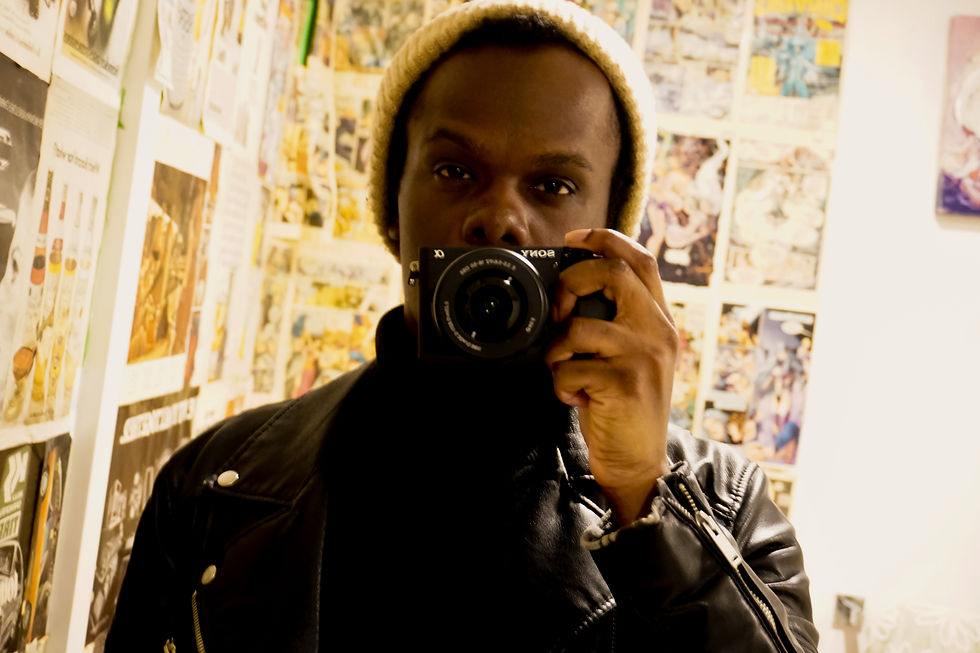
On one hand, this archetype tends to be in the spotlight for performance art. But it's not just about being famous, there's an air of prestige, elegance, we notice the refinement of their craft and what's more... respected performers have a compelling message that resonates.
Like so:
Rappers who use metaphors as portals into powerful new ways of seeing the world.
Singers who use their voice to bring hope to marginalized communities in the world.
Actors who play characters that teach us what it means to be comfortable with sensuality.
Actresses who play characters that explore sexuality as a female empowerment strategy.
A question you might be asking yourself is... are models respected performers?
Some of them are.
Not all... of them though.
Just like not all singers, rappers, actors or actresses are seen as worthy of respect by their peers and the general public. Even though respect and beauty are both subjective to an extent, the wiggle room provided by this social crowd, hinges on how much power the performer can wield while still retaining the respect of their audience... sensuality can be powerful. A walk can be powerful. A moment of silence where the actor embodies subtext, revealing the subtlest flicker of emotion beneath the surface can elevate a film into a myth.
Like how you can watch a Denzel film, or a Brando picture, in your 20s, 30s and 40s and learn different things about human nature from their transformative roles... this is great art.

In some cases... you find a model with acting talent. Someone who can create characters with dialogue, thought, movement, gestures and non-verbal expression of inner imagery.
Models generally mimic the message of whoever is designing the clothes they're wearing to the fashion show, or the follow the client's protocol and repeat their message for commercials.
The more commercial the modelling gig, the more reliability, appearance, and an ability to hit the same marks over and over are rewarded. However, narrative or editorial work, usually demands nuance, emotional range, and transformation. Each art house film, or fashion magazine can involve a radically different mood or skill-set than the previous one, so if a content creator has little-to-no experience with diving into emotionally complex characters, absorbing layered performance notes, then they probably can't adapt spontaneously through improvisation when getting tested as a storyteller outside the realms of commercial projects.
I've cross-examined the differences between commercial and editorial photoshoots in this journal before, but there is another interesting layer in this contrast I haven't uncovered yet.
Destiny.
Not every film is the market for deep resonance.
Not everybody wants to mythologize their creative journey.
Not every artist wants to dedicate years of their life to world-building.
Some people just want to see where they end up, they're curious about what happens next.
Respected performers are obsessed with need to create what happens next... in this archetype we prioritize our artistic fulfillment, choose our roles intentionally, and reap the rewards that come from taking ownership of our narrative. It starts by owning your sensuality confidently.
Some of artists become famous, others become infamous, respected performers usually have eras when both could fit the description. Great artists prefer strong responses to their work.
Love it or hate it.... whatever floats your boat is cool.
That means it spoke to you.
We can't always control how we're perceived, but I can choose how I respond.
Some people think they only have one destiny, but free will exists as a counter offer, it says "choose a path according to your needs." Figuring out what you need for your destiny is key.
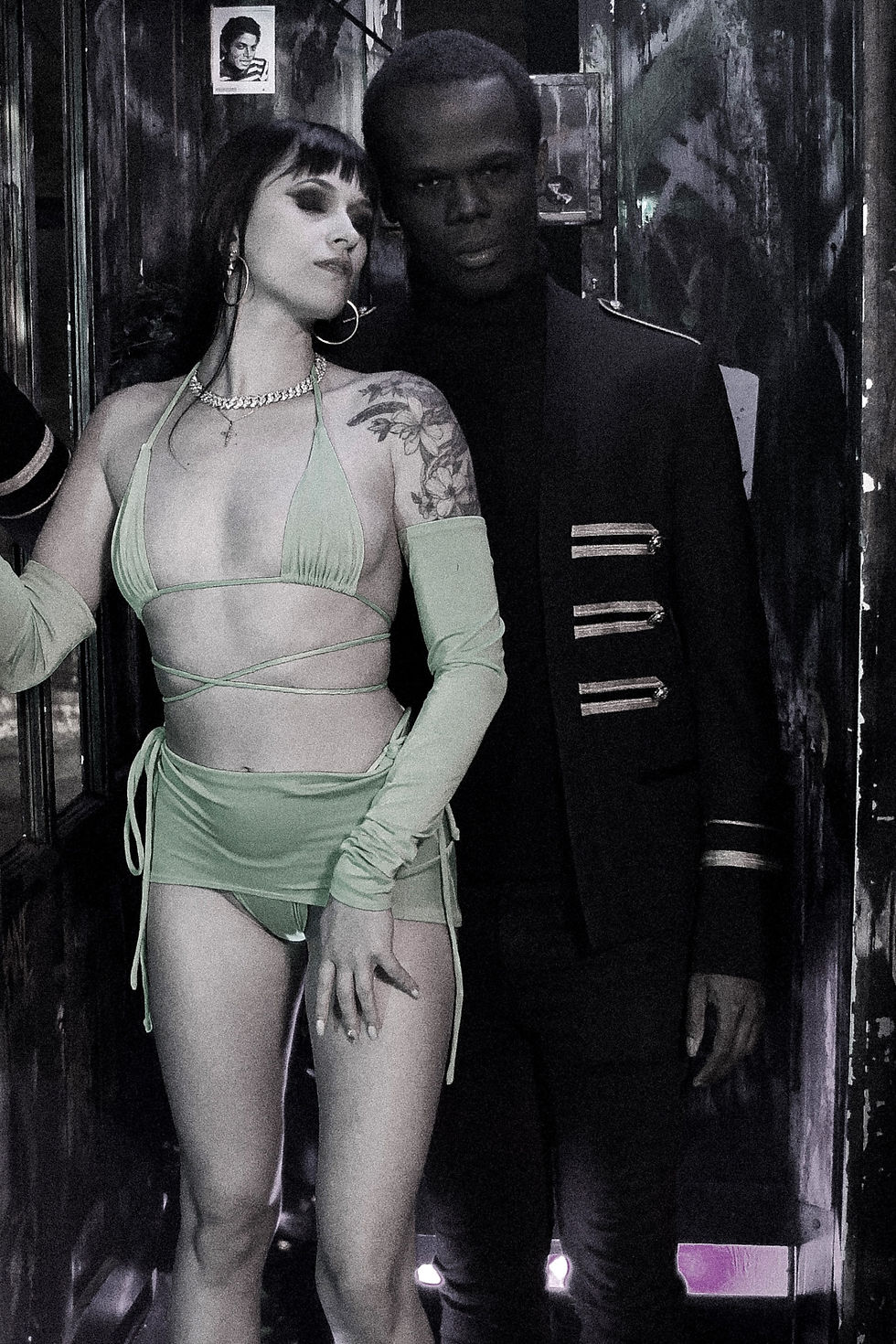
Wants and needs are not the same thing.
Wants are transient desires... they come and go.
You achieve something... and then another desire appears in it's place.
Some want auditions, then bookings, then commercial campaigns, then agency representation.
Need feels stronger, meaningful, obsessive, and you realize how significant the change would be if you ever bring what you need into your life. Needs have a deep emotional architecture.
Respected performers find themselves devoted to needs that can seem hard to monetize at first:
myth
creative risk
philosophy
symbolism
character
transformation
legacy message
Some people want careers.
Others want a calling.
The difference matters.
Careers ask:
"What can this project do for me?"
A calling asks:
"What can I become through this project?"
The working actress might be seeking visibility, credits, financial stability, representation.
These are all practical concerns, and there's clarity in this path.
However, the respected performer is searching for something avant garde.
Transformation.
A character that changes how they see the world.
A role that follows them home, and a story they'll still share with glowing eyes, decades later.
This is why respected performers can seem mysterious and complex to outsiders, we walk a path that is filled with uncertainty, we sacrifice comfort for meaning, we grow obsessed with questions that refuse to leave us alone... not until we've discovered something about the soul.
House of Mirrors was built for these discoveries.
Not every performer needs to enter this labyrinth.
We don't have space in our artist development program to spend years mythologizing the creative lives of people who are lukewarm about world-building. This is more than career...
...it's a calling.
A conversation became a collab.
A collab became a world.
Then that world started attracting more people, who have been seeking the same vibes.
Some years ago I'd DM models to figure out how interested they were in editorial shoots. Before reaching out I'd have a few ideas, concepts we could play with, but these days it's a different game. I send out a micro-dose of HOM first... a proof of concept, or music video, immersive reel, magazine editorial... in a here's a taste of the vibe, what can you add to this world, sort of way, that's a practical manifestation of the sage philosophy we've been circling around today, which is also expressed in Kitty Likes to Dance. "I don't chase I facilitate."
Even Siren Song, explores the seductive power of temptation, leaving enough space in the story-telling that lets the audience imagine more, insert memories and interpret their versions of the narrative taking shape behind their eyes. While minds can absorb poetic descriptive concepts like soft candy, like I said at the beginning, as much as I can hope someone enjoys my music, I'm aware that my album isn't for everyone, it was made to score my feature film.
Tastes vary in art and it's vital to decide for yourself what kind of career you'd like to have.
Not every character in a film needs to be played by a respected performer, working actor personas are often found in the background actors and day players with a handful of lines.
So now, it's clear that alignment is key.
Some people reach out to HOM hoping to inquire about a photoshoot, or a movie role, then a few messages later they reveal that they haven't ever been published before, and they've never acted in a feature film, or in some cases, they've been on set a handful of times... never with a speaking role. Such people are a better fit for our artist development course and the HOM Sessions, which opens to the public later this summer, Silver Mirror Room subscribers will receive priority tickets for these sessions and Gold Mirror Room subscribers get VIP seats.
If you step in foot in front of the camera, at the very least do not bore your audience.
Which ever path you choose, whether it's working actor, respected performer or another archetype involved with the arts... make sure that you learn how to relax on camera first.
Even content creators can't get away with tense nonsense these days... attention is becoming a scarce resource because frankly, most things online just aren't worth paying attention too.
But the beauty of attention is it has a way of getting sucked into the presence of magnetic people, and if there's something respected performers have in spades... it's personal magnetism. This is another aspect of performance art that draws on the art of seduction.
When you develop your magnetism past a certain point... you become so easy to watch that people can't take their eyes off you. Even if they don't agree with your character's choices this time, the fact that it's you taking the audience on the journey, is why they're still watching it.
Emotional truth can be accessed easily for certain roles, but part of increasing magnetism is learning how to maintain truthful behavior in a range of circumstances to discover the inner life of roles that can be as different as night and day... a respected performer could even play a sex worker in a film and have the audience rooting for her... every step of the way... Mikey Madison proved this recently, when she won the Best Actress Oscar, for Anora and she wasn't the first actress to turn emotional vulnerability combined with sexual confidence and a devil-may-care attitude into a critically acclaimed role. Decades ago, Pretty Woman did the same.
The HOM standard is to refine your chosen craft until your taste level is reflected like a mirror-image in the quality of your performances and your visionary art. It's why the expansion into more mediums came effortlessly for this company, filmmaking is an art form that can feature any other form in the cinematic process, it's a fun way to tell stories using all the gifts that you know you have... as well as the talents yet to be discovered that you're currently unaware of.


Siren Song 🫣 is in my top 3