The Illusion of Effortlessness
Updated: Jul 4
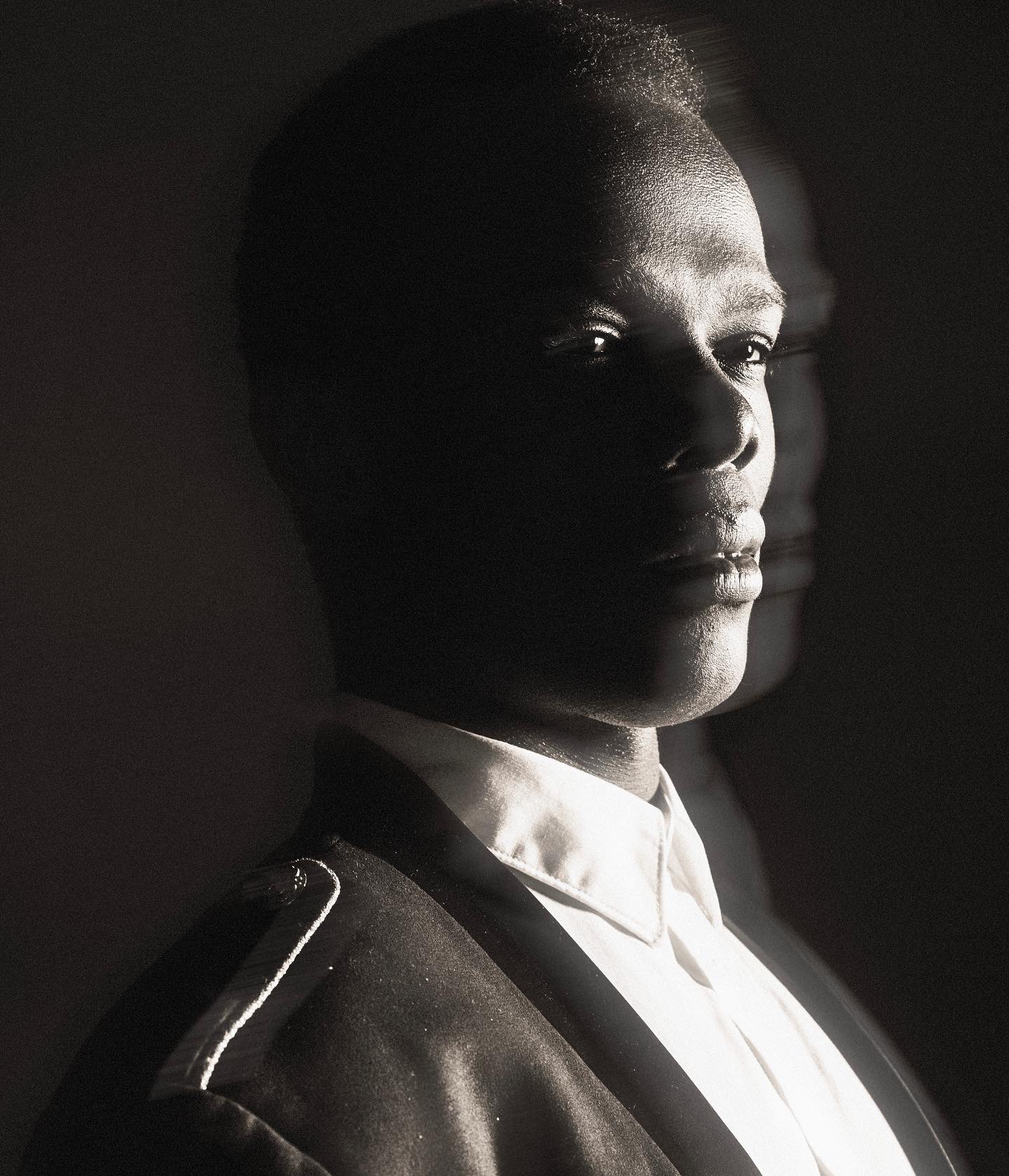
Great art asks more of the artist than the audience will ever see.
Feature films contain months and years of making art for an audience experience that lasts for a few hours at the most. Many people assume daily life on a film set is easy, but most people would crumble under the pressure of working 10 or 12 hour days before the first week is up.
Not to mention several hours of character work, long days of script analysis and recorded self-tape auditions made by performing artists in the hopes of winning the coveted role.
The audience experiences the performance, the artist experiences preparation.
But the camera gets so close to the artist, that it's perception magnifies things audience's might not be able to put their finger on... but it affects how much they like a performance.
The camera doesn't want to see you over-act.
The camera doesn't want to see you become a try-hard.
The camera wants you to effortlessly embody the character.
So when the close-up shot is being set up, and that red light camera goes on, every shortcut, every skipped rehearsal, every uncomfortable decision you postponed is displayed for the director to see. I review dozens of self-tape auditions every month, only a handful of these actresses are invited for a call-back interview, because of how nuanced and layered these characters I'm currently casting for are... the thing about artistic excellence is lots of people aren't up to the task. At this organization we make art... not content. Even though it takes a certain level of effort to self-record UGC videos, and nail commercial auditions for brands, it doesn't come close to the level of precision required for a film acting role, especially a lead.
Every thought, every emotion and desire expressed by the actor through a character is picked up by the camera. If the rehearsal wasn't extensive enough, it's very obvious for us to see that.
If the actor simply hasn't memorized their audition lines, and they're reading from a screen somewhere during their self-tape. That's very obvious too... and those performers never get cast on my sets, or on the sets of other film directors I've collaborated with as an actor.
The camera isn't harsh... it's honest.
The camera yearns for authentic effortless expression.
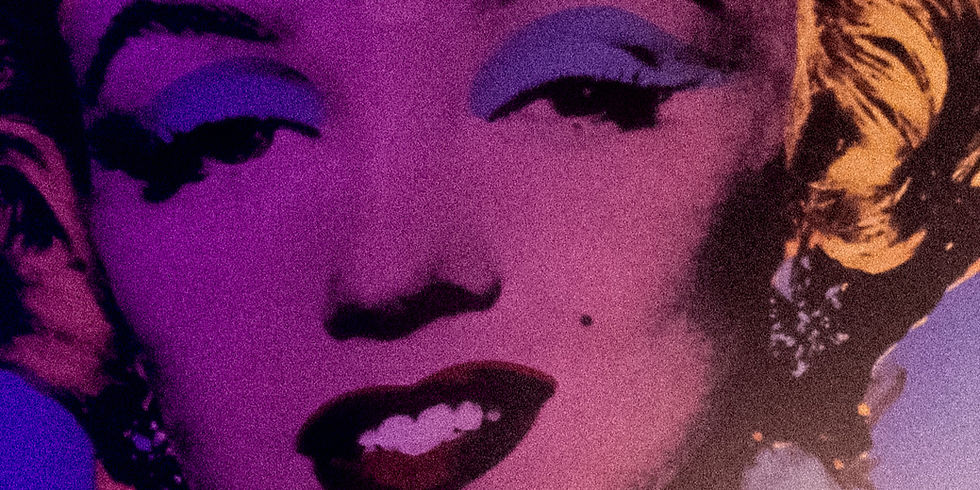
Even if the character is as different from your base-line personality... as the "dumb blonde bombshell" stereotype diverged from Marilyn Monroe's savvy, smooth and hyper-intelligent persona, the skillsets of great film actresses include the chameleon-like ability to morph into a personality written in the script... amplifying or reducing certain aspects of themselves... and in some cases totally disappearing into the role because it's so different from who they are.
When done right the audience will suspend disbelief and believe you are the character.
Yes, even if the personality you're playing on-screen is essentially an illusion.

Another performance art medium where creating characters effortlessly is a requirement is modelling for magazine editorials. Not every model will have what it takes... and these days just about any young woman in Toronto with a self-timer on her smartphone might wake up one day and consider herself an Instagram model... but when you look at her feed, all you can see is her in different outfits. She doesn't know how to create characters, so the pictures read as pretty bland, which is why not all Instagram models can build a career as an editorial model. Something else which is interesting about Marilyn Monroe is how her performance art career started as Norma Jean Mortenson, the pin-up model... after the second world war.
Some of those pictures from her early career were bought by Hugh Hefner and sold on the cover of the first ever issue of Playboy magazine, which championed many editorials that specialized in erotic art, artistic nudes, and other editorials which walked the line between elegance and provocation... then decades later... many editorials found in magazines are inspired by the Playboy brand, where effortless sensual expression reigned supreme, but it all started with pictures of Marilyn Monroe, taken before she had legally changed her name.
But even in the photos...

When you compare this one to other pictures of her from that time...

It becomes clearer that the woman surrounded by red is a character she created.
So years later when Marilyn Monroe posed for Vogue Magazine, the pictures Bert Stern took, also known as the last sitting, you could still see her making characters effortlessly, because editorial modelling is like acting in a silent film... by this point she was already the biggest star in Hollywood and the magnetic qualities she had developed as a teen model... shone.

The audience doesn't see the hours spent posing, shifting emotions, changing gestures.
They don't see the liminal moments in between characters... the transformation from elegance to sensuality. Or the alchemic moments where both qualities... merge into one magnetic vibe.
Great art rarely arrives accidentally... even the electrifying moments of improvisation happen after several hours of preparation in a safe environment that encourages this spontaneity.

Art demands preparation before inspiration. Pablo Picasso said it decades ago...
"Inspiration exists, but it must find you working..."
Art demands precision before praise.

Whether your medium is performance or you're on the a visionary artist's path like Picasso, your talent is nourished by making art regularly. The artist who makes a habit of painting for at least 10 minutes every day, can over-take the child prodigy who stopped painting years ago because talent can become rusty, lose it's sparkle and even fade into normalcy... that's not what we want for you here at House of Mirrors... but it's what happens to people who don't take making art seriously enough because art demands patience before recognition.
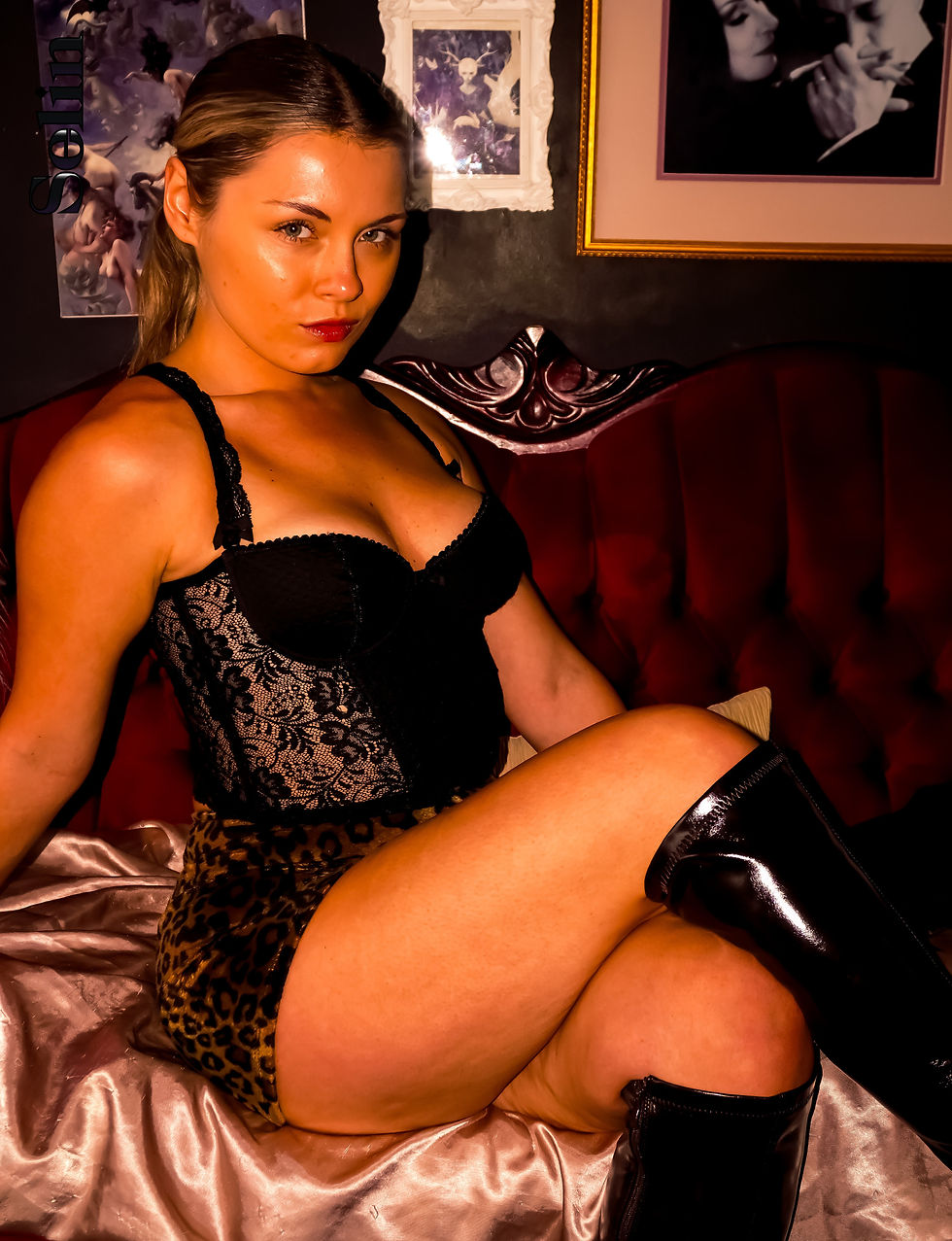
Few artists have what it takes to lead one of our feature films.
Few artists have what it takes to get published in one of our editorials.
This makes our creative process all the more exciting, when genuine artistic alignment is discovered. After all, Toronto is a city where creatives from all around the world come looking for the kinds of connections that can bring their fantasies to life... so there's always going to be another model, actress, performer or visionary in the 6ix whose tastes align with HOM.
Whether their entry point is through cinema, fashion, or music, the kinds of encounters we have at here House of Mirrors are unique and serve to enlighten. But not every one can stay.
Only the artists who have what it takes.


:the muse economy: has a v timeless ring to it